
People often need to address past trauma or familial issues during this time. Since withdrawal symptoms tend to ebb and flow, you may be tempted to feel like you’re not making progress ― even though in reality, https://www.e-lib.info/finding-parallels-between-and-life-2/ you’ve come a long way. According to the National Institute on Alcohol Abuse and Alcoholism (NIAAA), recovery is a process that involves remission from AUD and quitting heavy drinking for good.
Common Alcohol Withdrawal Symptoms
That would be followed by therapy and counseling, which would seek to identify the root causes of your need to self-medicate with alcohol. You would also get a chance to develop coping skills that could help you avoid relapses in the future. Withdrawal is one of the most uncomfortable parts of the sobriety journey, but it is temporary.
Headache, Nausea, Disrupted Sleep
So the worsening rates of alcohol use disorder in women prompt the need for a greater focus on women in the research and the search for treatments. Roughly 1 in 5 U.S. adults report binge drinking at least once a week, with an average of seven drinks per binge episode. This is well over the amount of alcohol thought to produce legal intoxication, commonly defined as a blood alcohol concentration over 0.08% – on average, four drinks in two hours for women, five drinks in two hours for men.
Stage 1: Mild Withdrawal
- If your symptoms become more severe, it’s essential to reach out to your treatment team and seek professional help right away.
- Symptoms of alcohol withdrawal tend to peak 24 to 72 hours after your last drink.
- Below are examples of mild, moderate, and severe symptoms during stage two of withdrawal.
- When consuming alcohol, dopamine levels are raised just as high as they would with other drugs.
- Other drugs often used to manage symptoms include neuroleptics, anticonvulsants like carbamazepine, and valproic acid.
- This stage is characterized by the overwhelming desire to experience the pleasurable effects of alcohol, driven by its impact on the brain’s reward system.
- A doctor will consider all these factors when estimating how long-lasting and how severe your symptoms may be.
Your healthcare provider will recommend and encourage treatment for alcohol use disorder. It affects about 50% of people with alcohol use disorder who stop or significantly decrease their alcohol intake. AUD https://www.glasslogic-windshield-repair.com/windshield-chip-repair/faq.html is the most common substance use disorder in the U.S., affecting 28.8 million adults. People who abuse alcohol may not be physically addicted to it, but they may still struggle to control their intake.
MODERATE SYMPTOMS (CIWA-AR SCORE OF 10 TO 18 OR SAWS SCORE GREATER THAN
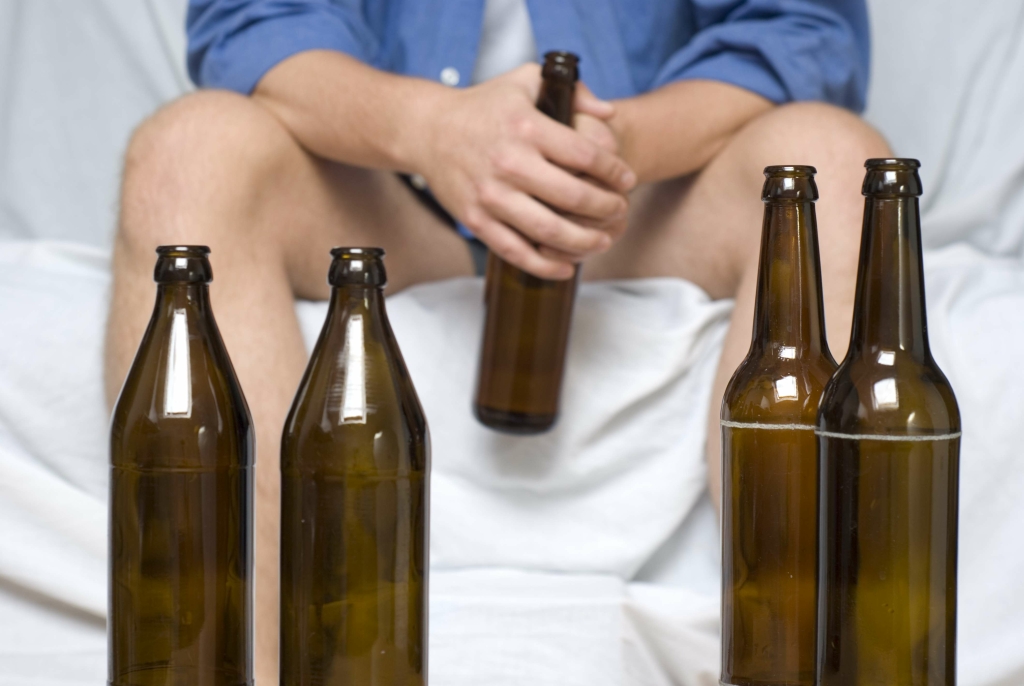
Your symptoms may simply be uncomfortable or can be medically significant and require care. Symptoms occur in three stages, with the first symptoms typically appearing within 8 to 10 hours after your last drink if you have severe AUD. Alcohol withdrawal delirium (AWD), commonly known as delirium tremens (DT), is the most serious symptom of alcohol withdrawal.
- If eligible, we will create a treatment plan tailored to your specific needs.
- Alcohol withdrawal syndrome (AWS) happens when you stop drinking alcohol after heavy, long-term use.
- Psychotherapy for alcoholism often utilizes evidence-based modalities such as cognitive behavioral therapy (CBT) and dialectical behavior therapy (DBT).
- This is so your doctor can monitor your condition and manage any complications.
Contact a Recovery Advocate today to take the first step toward living an alcohol-free life. It wasn’t until 1993 that clinical research funded by the National Institutes of Health was required to include women as research subjects. In fact, the NIH did not even require sex as a biological variable to be considered by federally funded researchers until 2016. When women are excluded from biomedical research, it leaves doctors and researchers with an incomplete understanding of health and disease, including alcohol addiction. When women consume even moderate levels of alcohol, their risk for various cancers goes up, including digestive, breast and pancreatic cancer, among other health problems – and even death.

- Over time, however, the body builds a tolerance to alcohol, and a person may have to drink more and more to get the same feeling.
- Delirium tremens (DT) is the most severe form of AWS and occurs in 5% of people with AWS.
- If The Recovery Village is not the right fit for you or your loved one, we will help refer you to a facility that is.
- It is possible to get treatment and live a healthier life with a better relationship with alcohol.
- Since alcohol slows brain function and nerve communication, the central nervous system (CNS) adapts.
A doctor may also prescribe a sedative drug, such as a benzodiazepine, to help reduce withdrawal symptoms such as restlessness or agitation. Benzodiazepines like Librium (chlordiazepoxide) and Ativan (lorazepam) may also help to prevent minor withdrawal symptoms from becoming more severe. Other drugs a healthcare provider might prescribe include anxiolytics , vitamins, and https://fesk.ru/ramsar/70.html suboxone. Alcohol withdrawal symptoms can be greatly reduced or even eliminated with proper medical care. There are specific treatments available for anyone who wants to stop drinking—even after long-term, chronic alcohol use. The symptoms of alcohol withdrawal relate proportionately to the level of alcohol intake and the duration of the person’s recent drinking habit.
Low plateletcounts affect the body’s ability to make clots to stop bleeding. Most of the following information is going to focus on alcohol withdrawal symptoms and withdrawal timelines. Leading into that discussion, we’ll focus on the signs of alcohol use disorder and the path back to sobriety. If you already have alcohol use disorder, it’s important to seek counseling and medical care as soon as possible.